
Bringing History to Life:
Updated: 2 hours ago
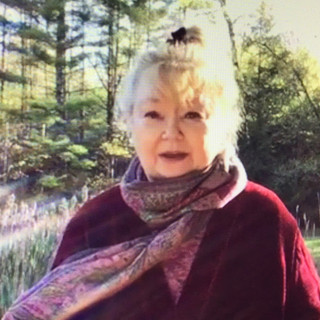
An Executive Q&A with Pamela PerryGoulardt on Award-Winning Storytelling and ‘Star-Crossed’
Adapting historical figures and their stories for the screen involves balancing historical research with creative interpretation. For independent filmmakers and screenwriters, choosing an appropriate format can also help present familiar subjects from a different perspective. Stories inspired by the American frontier, for example, offer opportunities to explore historical personalities, relationships, and the cultural context surrounding their lives.
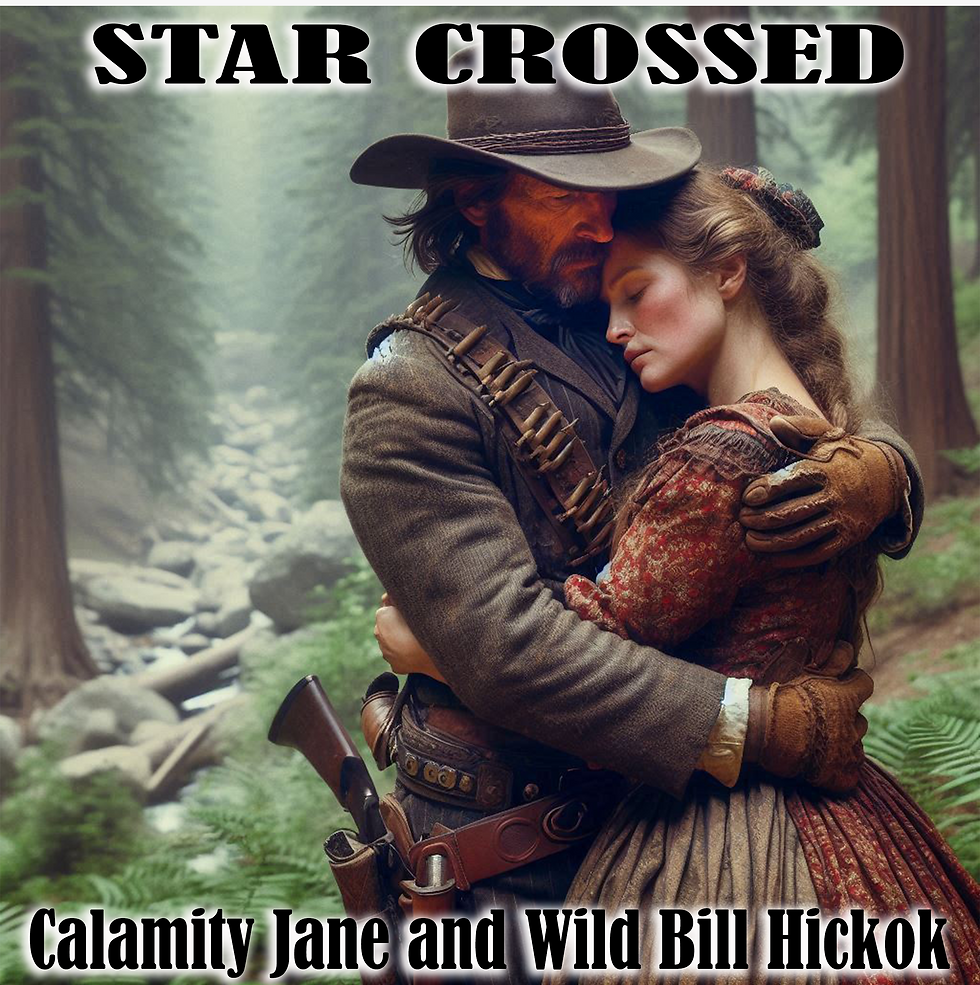
Pamela PerryGoulardt of FlyingCloud Studios has explored these ideas through her script movie Star-Crossed, a project centered on the relationship between Wild Bill Hickok and Calamity Jane. The project received an Award of Merit for Best Experimental Film at the Best Shorts Film Competition. Created in association with Wildsound Film Festival and directed by Matthew Toffolo, the production uses a script-movie format that combines actors’ readings with still images. In this interview, Pamela PerryGoulardt discusses the inspiration behind Star-Crossed, her creative process at FlyingCloud Studios, and the role of collaboration in independent filmmaking.
Q: “Star-Crossed” explores the true love story between Wild Bill Hickok and Calamity Jane. What drew you to their relationship, and how did you separate myth from historical reality during the writing process?
RecommendedReads
Pamela PerryGoulardt: First, thank you for the opportunity to talk about Calamity Jane. “Star-Crossed” is a “Script Movie” based on a feature story, “Calamity Jane: Queen of Spades.” The script was given a “recommend” by Barb Doyon of “Extreme Screenwriting.”
I was inspired by Calamity Jane and the experiences associated with her life. “Star-Crossed” follows her as a SCOUT for Colonel CUSTER and explores her experiences following the Battle of Little Bighorn.
In the story, Calamity travels to an Army Post to report Custer’s death. According to the narrative, she encounters disbelief, is arrested for wearing pants, and is held in a jail cell.
Wild Bill was her idol and was already known as a sharpshooter. While traveling to Deadwood, he stops at the jail and hears about Calamity’s report. She presents Custer’s flask, which Wild Bill had given him, as part of her account. The story portrays this encounter as a turning point that leads to their journey to Deadwood together.
I am a researcher and was fortunate to find a newspaper account from the period that described Calamity’s arrest. The account included several alleged offenses, including horse theft, and referred to a penalty of death or a $50.00 fine. In my version of the story, Wild Bill pays the fine. Historical accounts and popular retellings of Calamity Jane’s life vary, so research is important when developing a screenplay based on her experiences.
Q: The project earned the Award of Merit for Best Experimental Film at the Best Shorts Film Competition. What inspired the “script movie” format, and how did collaborating with director Matthew Toffolo and Wildsound Film Festival bring this vision to life?
Pamela PerryGoulardt: I had already worked with Matthew on another project, “The Ringmistress,” which gave me the opportunity to have a script movie made. A script movie is a table read by actors accompanied by still images intended to represent the scenes and dialogue.
I had confidence in Matthew and his team’s approach to the format. The people at Wildsound helped present the story in a visual and performance-based format. Matthew’s direction brought together the script, the actors’ readings, and imagery associated with the Wild West and its historical figures.
Q: Best Shorts recognizes work from leading entertainment creators and Academy Award winners. What does this international recognition mean for you and FlyingCloud Studios?
Pamela PerryGoulardt: Getting a film produced is a process. Each step provides an opportunity to develop the project, receive feedback, and build interest in the story. “Star-Crossed” explores a subject connected to American cultural history.
My approach to Calamity Jane is to present her as a character with agency and personal determination. Popular portrayals of historical women can differ considerably, and I wanted to explore a perspective that gives attention to her experiences and choices.
Q: Through FlyingCloud Studios, you develop screenplays, pitch decks, and independent film productions. How does your studio help original, story-driven concepts move from early draft to finished project?
Pamela PerryGoulardt: Collaboration! Other people in the industry assist my efforts. As mentioned already, Matthew Toffolo and his crew at Wildsound have produced several Script Movies for me. They also filmed interviews with people who had seen the FlyingCloud Script Movie for “Dark Realities,” a project about the Ghost of Edgar Allen Poe.
It was useful to hear feedback from viewers, as it provided another perspective on how the story was received. That feedback can also help when presenting a script to potential collaborators.
Barb Doyon and Extreme Screenwriting are part of my feedback process. In my opinion, Extreme Screenwriting provides useful feedback that helps me develop my stories. I also use their services when creating FlyingCloud Pitch Decks.
I have also received support from WILDFILMMAKER, an Italian publication and platform focused on independent film operated by Michele Dioma. Its coverage has provided another opportunity to introduce my work to audiences interested in independent filmmaking.
Q: Narration and editing played key roles in the experimental structure of “Star-Crossed,” featuring work by Val Cole and Steve Rizzo. How did those collaborative elements shape the final impact of your script?
Pamela PerryGoulardt: For a screenwriter, hearing your words spoken with the emotion an actor adds to your story is a valuable part of the process. It can help you understand how dialogue reveals character and relationships rather than simply conveying information. Val and Steve contributed performances that helped communicate the characters through dialogue and visual imagery.
Q: With the critical success of “Star-Crossed,” what new stories or film projects are currently in development at FlyingCloud Studios?
Pamela PerryGoulardt: I have feature-length projects and several short scripts in development, along with two self-published pitch decks for feature scripts: “The Girl Made of Earth and Water,” written by me, and “Chumley’s Way,” written by Lisa Killiany. Both are picture books intended for film adaptation. Both children’s books are available on Amazon Prime.com.
This interview explores Pamela PerryGoulardt’s approach to historical storytelling, experimental presentation, and independent film development. Through Star-Crossed, she brings together historical subject matter, character-focused writing, and a format that combines readings with visual elements. Her experience also illustrates how feedback, creative partnerships, and different presentation methods can contribute to the development of independent projects.
As filmmakers continue to explore different ways of presenting stories, projects such as Star-Crossed offer an example of how screenwriters can approach historical subjects through alternative formats. Pamela PerryGoulardt and FlyingCloud Studios continue to develop stories and projects that reflect their interests in character-driven narratives and independent film production.
To learn more, visit flyingcloudstudios.com/.


Comments